
Power Factor Correction (PFC)

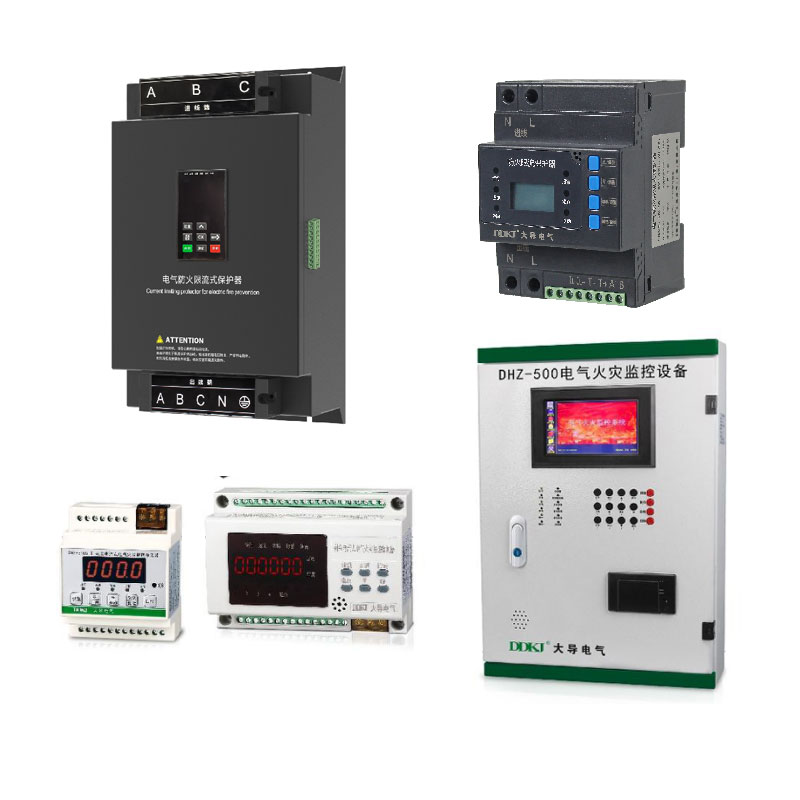
Power factor plays a crucial role in electrical systems. It measures how efficiently electricity is used. Power Factor Correction (PFC) helps improve this efficiency. In this blog, we will explore what PFC is and why it matters.
What is Power Factor?
Power factor is the ratio of real power to apparent power. Real power does useful work, while apparent power is the total power flowing in the circuit. The formula for power factor is:Power Factor=Real Power (kW)Apparent Power (kVA)\text{Power Factor} = \frac{\text{Real Power (kW)}}{\text{Apparent Power (kVA)}}Power Factor=Apparent Power (kVA)Real Power (kW)
A power factor of 1.0 means all power is used effectively. A lower power factor indicates wasted energy. For example, if your factory uses 100 kW but has 150 kVA, the power factor is 0.67. This means you are not using energy efficiently.
Overview of Power Factor Correction (PFC)
Power Factor Correction aims to improve power factor. It reduces wasted energy and increases efficiency. By correcting the power factor, businesses can save money and reduce their environmental impact.
How Does PFC Work?
PFC can be achieved through two main methods: passive and active correction.
- Passive PFC uses capacitors to counteract inductive loads, like motors. For example, adding a capacitor in parallel with an inductive load helps balance the system.
- Active PFC uses electronic devices to dynamically adjust power factor. This method is more complex but offers better performance. It actively manages loads and improves efficiency.
Think of passive PFC as adding weights to balance a seesaw. Active PFC is like using a smart controller to keep it balanced automatically.
Benefits of PFC
PFC offers numerous advantages:
- Increased Energy Efficiency: A higher power factor means less energy wasted. This translates to lower electricity bills.
- Cost Savings: Improved efficiency reduces demand charges. Companies can save significantly on their monthly bills.
- Better Power Quality: PFC stabilizes voltage levels. This leads to fewer electrical disturbances.
- Extended Equipment Lifespan: Reduced strain on electrical systems prolongs equipment life. This means fewer repairs and replacements.
For instance, a factory implementing PFC might see its energy costs drop by 10-15%.


Applications of PFC
PFC is widely used in various sectors:
- Industrial Power Systems: Factories use PFC to manage heavy machinery. This helps them operate more efficiently.
- Commercial Buildings: Offices use PFC to reduce energy costs. It improves overall energy management.
- Renewable Energy Systems: Solar and wind energy setups benefit from PFC. It helps optimize energy usage and storage.
Implementing PFC
To implement PFC effectively, consider these steps:
- Equipment Selection: Choose the right devices, like capacitors or inverters. Proper sizing is crucial for optimal performance.
- System Assessment: Analyze your current power factor. Identify areas where correction is needed.
- Installation and Maintenance: Ensure proper installation of PFC equipment. Regular maintenance is essential for continued efficiency.
Conclusion
Power Factor Correction is vital for improving energy efficiency. It helps businesses save money and reduce waste. Implementing PFC can enhance power quality and equipment lifespan. Companies should consider PFC to boost their operational efficiency.
if you want to learn more or get power factor meters, please contact us, thank you!

