
8 Tips for Buying DC Volt Meters ——for Distribution Cabinets

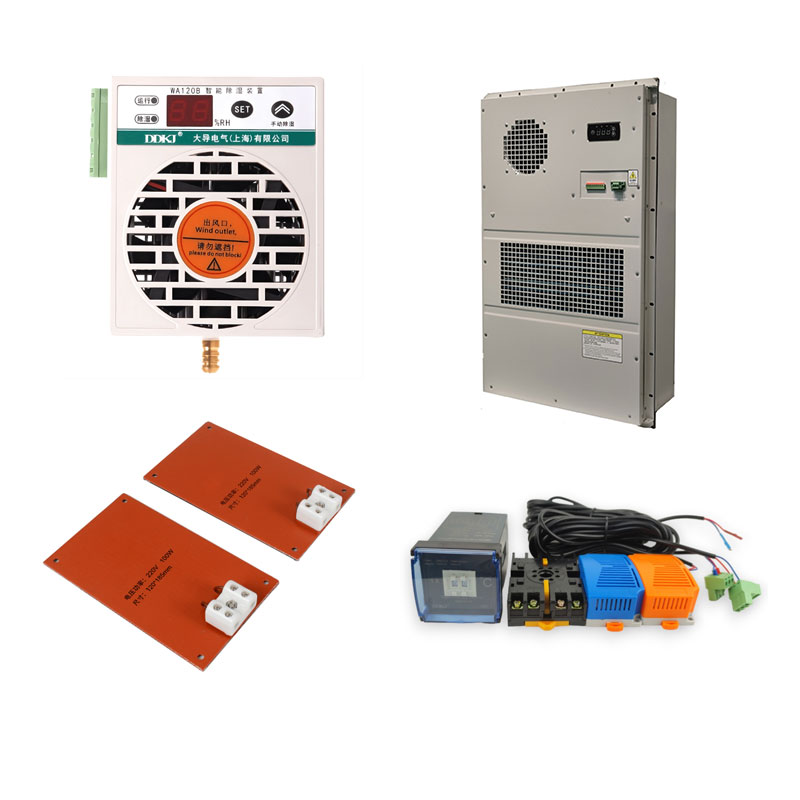
In electrical projects, DC volt meters for distribution cabinets are essential devices. They help engineers and technicians monitor voltage in real-time, ensuring the safety and performance of equipment. This article aims to provide clear and straightforward selection tips to assist readers in making informed decisions when purchasing DC volt meters for distribution cabinets.
1. Understand Your Measurement Needs
Understanding your measurement needs is the first step in buying a DC volt meter for a distribution cabinet.
- Voltage Range: Common voltage meters in distribution cabinets need to measure the following voltage ranges:
- DC power systems (such as solar panels): typically between 12V and 48V.
- Electric vehicle systems: commonly between 48V and 300V.
- Industrial equipment: up to 600V or higher, depending on the application.
- Accuracy Requirements: DC volt meters for distribution cabinets often require high precision, with commonly used international standards including:
- ±1%: general measurements
- ±0.5%: industrial applications
- ±0.1%: laboratory and precision measurements

2. Types of DC Volt Meters for Distribution Cabinets
DC volt meters for distribution cabinets are mainly categorized into analog and digital types, each with its pros and cons.
- Analog Volt Meters: These display voltage through a needle, suitable for monitoring rapid voltage changes, and easy to observe trends, but are usually not precise enough for distribution cabinets.
- Digital Volt Meters: These provide exact numerical readings, making them more suitable for distribution cabinet applications, easier to read and record, and typically have higher accuracy and functionality.
3. Consider Display Features
Display features significantly impact measurement convenience.
- Readability: LED and LCD are two common display technologies. In distribution cabinets, LED displays are clear and bright, suitable for bright conditions; LCDs generally have higher power consumption and better viewing angles, making them suitable for long-term monitoring.
- Backlight Options: In low-light conditions inside distribution cabinets, backlit displays are particularly important, ensuring users can read data clearly in dim environments.

4. Check Additional Features
Additional features can enhance the practicality of DC volt meters for distribution cabinets. Here are some common features and their functions:
- Data Logging: Some high-end panel volt meters support real-time logging of measurements, helping users monitor voltage fluctuations and ensuring equipment in the distribution cabinet operates within a safe range.
- Relay Alarms: This feature can automatically alert users when the voltage exceeds a preset limit, protecting equipment in the distribution cabinet from damage.
- Transmitter Function: Converts voltage signals into standard output signals, facilitating connections between the distribution cabinet and other monitoring systems, enabling data sharing and integrated control.
- Communication Interfaces: Some volt meters support connection to the central control system of the distribution cabinet, allowing for remote monitoring and automation.
5. Assess Quality and Durability
When choosing a DC volt meter for a distribution cabinet, quality and durability are crucial considerations.
- Material Quality: A robust design can withstand the harsh environments inside distribution cabinets, especially under frequent operation and high load conditions.
- Weather Resistance: Volt meters used in extreme environments need to withstand high and low temperatures and high humidity. For example, in the cold winters of Russia, volt meters should function at temperatures as low as -40°C, while in the hot summers of Mumbai, they should endure temperatures up to 50°C.
6. Budget Considerations
Budget is an essential factor in the purchasing decision.
- Price Range: The price of DC volt meters for distribution cabinets often depends on various factors, including measurement accuracy, quality of electrical components, and material of the housing. Higher precision and quality volt meters typically cost more but provide more reliable measurements.
- Cost-Effectiveness: When choosing, consider the balance between functionality and budget, selecting products that meet your needs at a good price point.
7. Read Customer Reviews and Ratings
Before making a purchase, understanding others’ experiences is very important.
- Research Feedback: It’s best to choose manufacturers specializing in DC volt meters for distribution cabinets, particularly those with good reputations and extensive service experience in the market, as this can help minimize potential risks.
- Brand Reputation: Trusted manufacturers usually provide better products and after-sales service, making them a worthwhile investment.
8. Warranty and Customer Support
Good after-sales service provides additional security for users.
- Warranty Coverage: When selecting a volt meter, it is crucial to pay attention to the warranty terms, ensuring that you receive timely support in case of issues.
- Customer Service: Responsive customer support is vital for troubleshooting. Choosing brands with excellent customer service can add assurance to your purchase.
Conclusion
In summary, when purchasing a DC volt meter for a distribution cabinet, it is essential to consider various factors, including measurement needs, types of volt meters, display features, additional functionalities, quality and durability, budget, customer reviews, and after-sales service. I hope these simple tips will help you make an informed purchasing decision, ensuring optimal measurement performance in your electrical projects.

